Market Square and the Guildhall
Eight centuries of trading in the middle of the city, seven days a week, in all weather.
Cambridge food makes most sense geographically. Five parts of the city behave differently, and knowing which one you are standing in tells you more than any list could.
Eight centuries of trading in the middle of the city, seven days a week, in all weather.
A mile east: more independent kitchens per yard than anywhere else in the county, and the city's least formal eating.
The weekly rhythm, the university terms and the food seasons — without a listings calendar that goes stale.
Eat Cambridge, the volunteer food and drink festival held in the city from 2013.
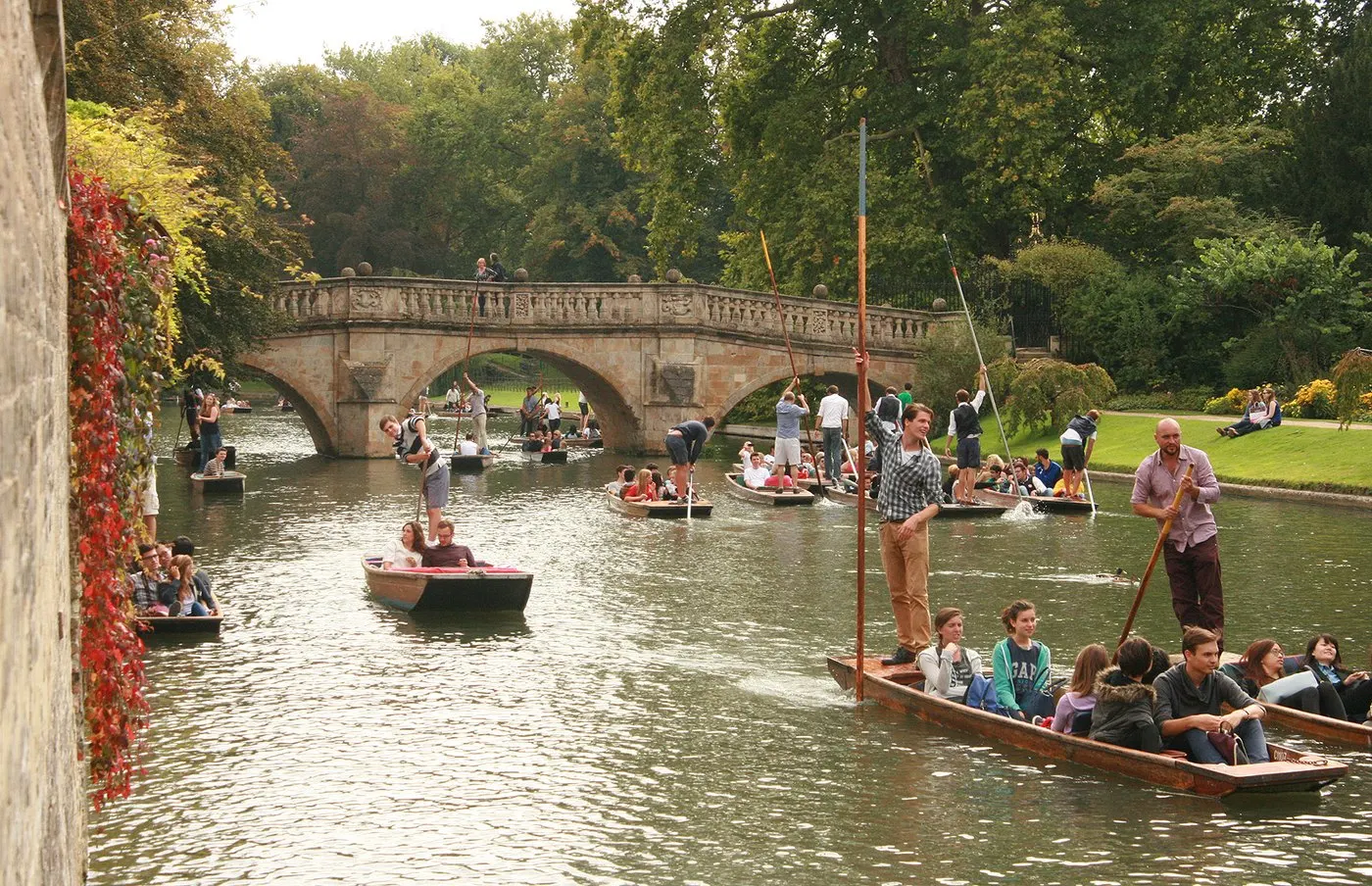
The one piece of Cambridge eating that genuinely needs a plan. The walk upriver to Grantchester takes about an hour through open meadow, and the village at the end has been feeding people who made that walk for well over a century. Downstream, past the boathouses, the river is a working one and more interesting than it sounds.
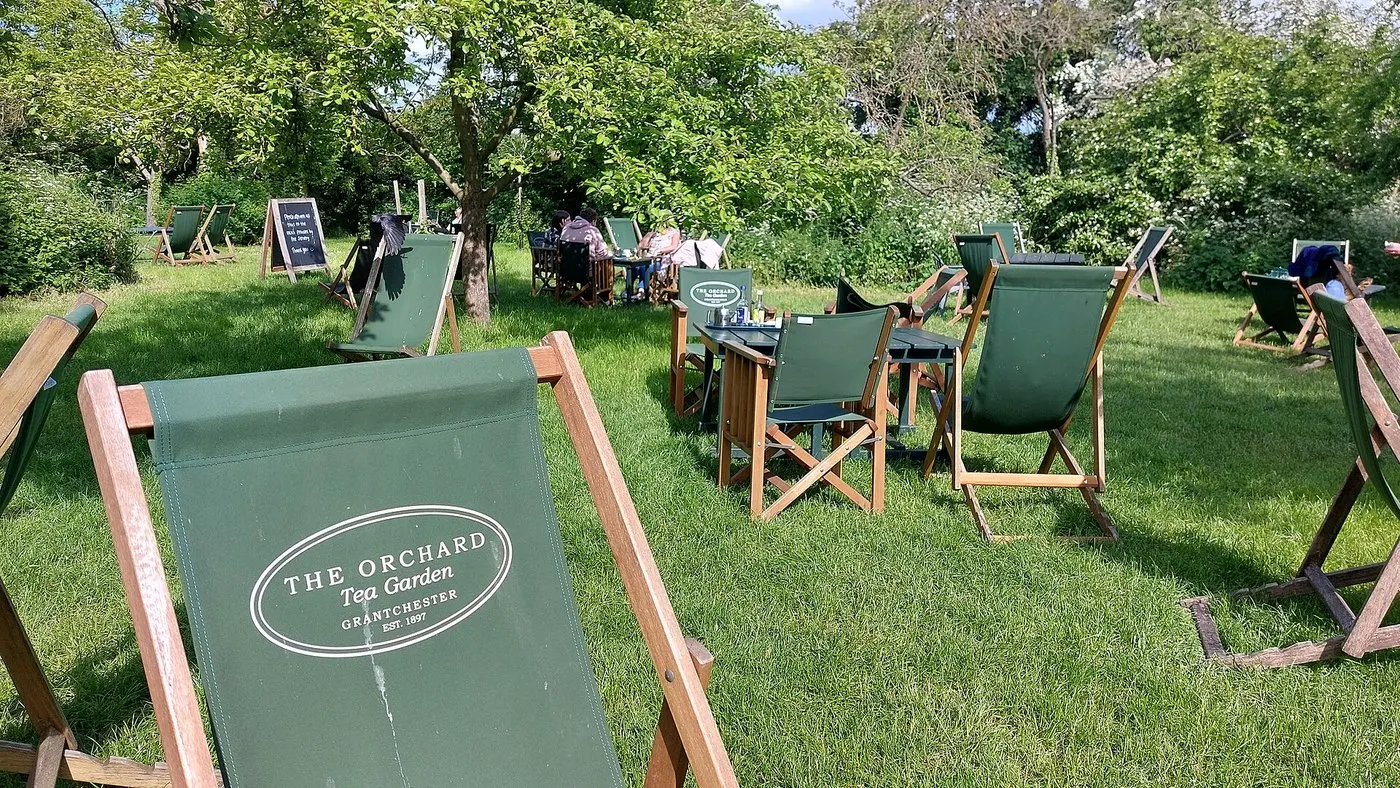
Both are free, both are weather-dependent, and both are better than anything you can book.
Cambridgeshire is fen and arable country: grain, vegetables and orchard fruit, with some exceptional market-garden growing on the black soil north of the city. The chalk ridge of the Gog Magog hills to the south-east is the only hill worth the name for twenty miles and carries farm shops within a short drive.
The county's other markets are worth the trip and are not interchangeable with Cambridge's: Ely trades in the shadow of the cathedral, St Ives holds one of the oldest charters in the country, and the fen towns run weekly markets closer to the agricultural original.
Cambridge is small enough to walk across in forty minutes and old enough that almost nothing about its shape is accidental. The colleges took the land along the river in the thirteenth century and have not given any of it back, so the centre is a ring of trade around a core that does not trade. The railway arrived in 1845 and was kept deliberately far out, which is why the station sits a mile from the market and why the streets between the two filled up with the kind of business that serves people walking past. Mill Road grew along the route to the brickfields. The Backs stayed empty because colleges own the view.
Every one of those decisions is still visible at lunchtime. The centre has the highest rents and the shortest leases, so it carries chains, the market and a small number of long-standing independents that own their buildings. Mill Road has lower rents, a residential population and no tourist traffic, so it carries the city's widest range of kitchens and the shortest queues. The station area is new money and new buildings, and reads like an airport that serves good coffee. The river out to Grantchester is the one direction with no shops at all, which is exactly why people walk it.
So the honest way to describe eating in this city is not a list of names in rank order. It is a map: stand here, and these are your options and this is what they cost. Which of the five you are standing in explains more about the price of your lunch than any review could.
From the market square: five minutes to King's Parade, twelve to the Mill Road bridge, fifteen to Cambridge station, twenty to Castle Hill, and about fifty on foot to the Orchard Tea Garden at Grantchester — under half that by bicycle along the river, which is how most residents do it. Cambridge North is a different proposition, two and a half miles out, and the only one of these you would not walk on a wet evening.
The practical consequence is that a decision about where to eat in Cambridge is rarely a decision about transport. It is a decision about which kind of place you want, and all five kinds are within half an hour of each other. That is unusual, and it is the single most useful fact on this page.