What's On in Cambridge: the Food Year, the Terms and Cambridge Events
What's on in Cambridge is a question with two answers, and this page gives the durable one. Listings of Cambridge events go out of date faster than anyone can maintain them, and a guide that pretends otherwise is worse than useless. What this page describes instead is the shape of the Cambridge year — which is stable, repeats annually, and tells you far more about when to come than any single calendar entry.
On this page The weekly rhythm Term time Season by season Current listings
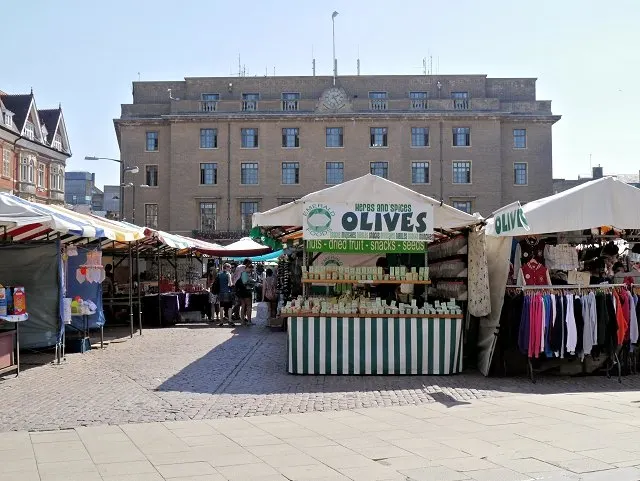
The weekly rhythm comes first
Before any annual event, Cambridge runs on a week. The market on Market Square trades every day except Christmas Day, Boxing Day and New Year's Day. A good number of independent restaurants close on Sunday, Monday or both. Pub quiz nights, supper clubs and tastings cluster midweek because the weekend belongs to visitors.
If you are planning around food instead of around a specific event, the weekly pattern matters more than the annual one. A Tuesday in Cambridge is a different city from a Saturday.
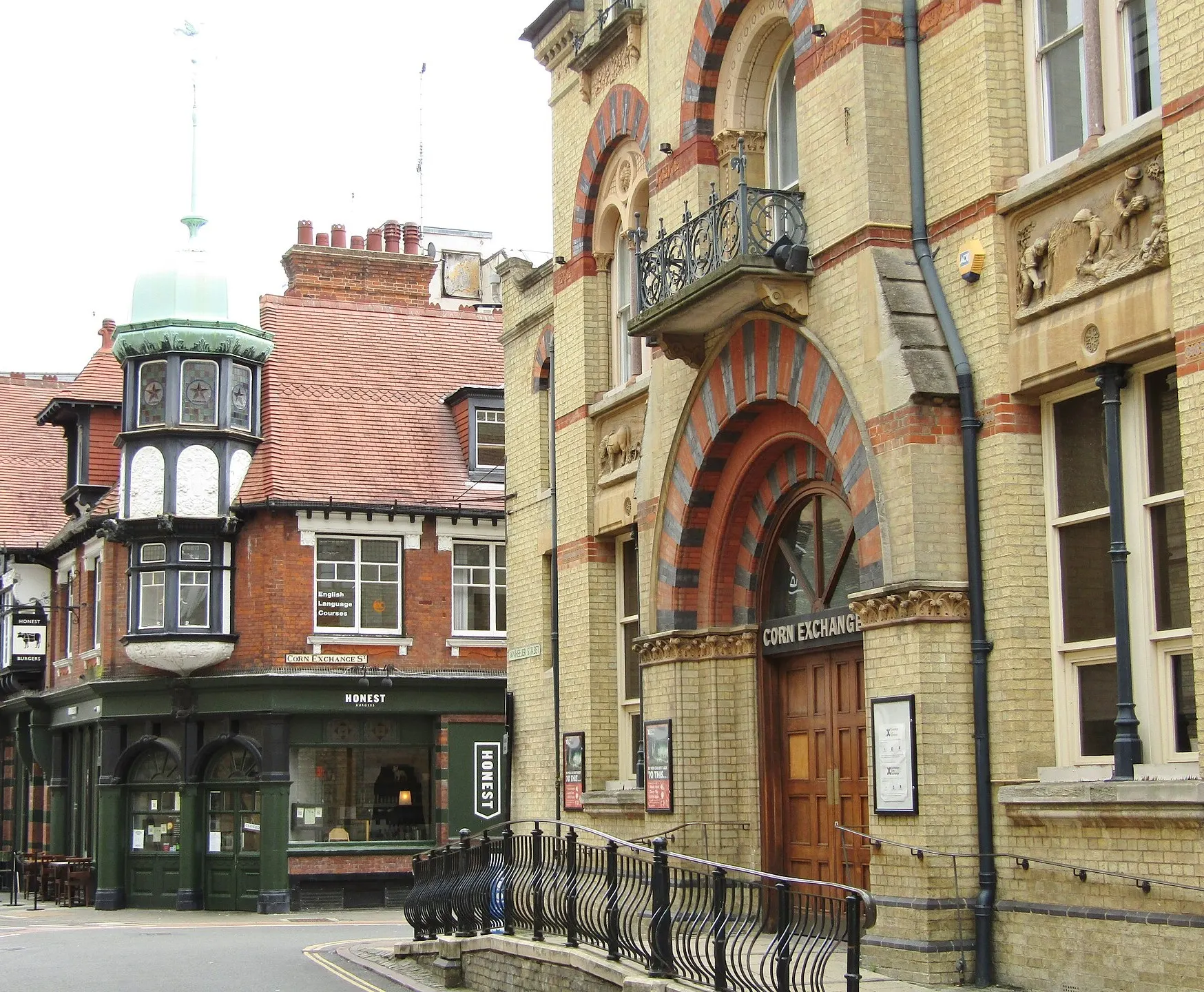
The university calendar runs underneath everything
Cambridge has three eight-week undergraduate terms — Michaelmas in the autumn, Lent after Christmas, Easter in the spring — and the gaps between them are long. The city's population swings by tens of thousands, and almost every what's on in Cambridge question has a different answer depending on whether term is running.
In term the city is full, restaurants are booked, and there are far more events: society talks, college concerts, lectures that are open to the public. Out of term it is quieter, easier and in places noticeably shut. Neither is better; they are different trips.
May Week — which happens in June, because this is Cambridge — is the exception to every rule. It is the end-of-exams celebration period, the city is at its busiest and most expensive, and anything central should be assumed to be booked.
The food year, season by season
Spring
The market thins out in late winter and comes back with the first forced rhubarb and early greens. Asparagus is the regional event of the spring: East Anglia grows a great deal of it, the season is short, and for a few weeks it is on every menu in the county that cares.
Summer
The busiest stretch, and the one with most Cambridge events of every kind. Soft fruit arrives, outdoor eating becomes practical, the river fills with punts and the commons fill with people. Open-air performances, college garden openings and food markets all cluster here. The city also hosts a long-running midsummer fair on Midsummer Common, a charter event that is centuries old and is a funfair, not a food event.
Autumn
Harvest, and the best month on the market stalls: orchard fruit, squash, game coming into the butchers, and the fen producing properly. Michaelmas term starts and the city refills. This is the quiet favourite among people who live here.
Winter
Christmas trading extends the market and brings extra evening events to the square. January and February are the thinnest weeks of the food year, locally — the fen has little to give and the city is cold and dark — which is also when restaurants run their best-value offers because they need the trade.
Events in Cambridge beyond food
Food events here rarely stand alone. The city runs major public festivals of science, literature, film and music, and a great deal of the eating that happens around them is the point of the evening rather than an afterthought. A science festival weekend fills every café in the centre; a literary festival fills the restaurants.
The practical consequence for anyone looking at events in Cambridge is to check what else is on before booking a table, not after.
Where to find current listings
Anyone searching for what's on in Cambridge on a given weekend needs a source that is maintained, and this page is not one: it is the shape of the year, not the diary. The venues keep their own calendars, the council publishes the market and civic events, and the two universities list what of theirs is open to the public.
Current dates live with the people who set them, so here is where the reliable calendars are. The city council publishes market and civic event information. The universities list their public lectures and open events. The local press and the city's listings magazines carry the week-by-week picture, and the individual venues — the Corn Exchange, the colleges, the theatres, the pubs — are the authoritative source for their own programmes.
For food specifically, the traders and restaurants announce their own supper clubs and tastings, and those rarely reach a central listing at all. Following the handful of places you already like is more effective than any aggregator.
When to come, if you are choosing
For food at its best and the city at its calmest: September and early October, or late April and May before the exam period ends. For the fullest programme of Cambridge events: the summer. For value: January and February, if you do not mind the weather.
Avoid the week of graduation and the start of Michaelmas unless that is specifically why you are coming. Those are the two periods when the city is genuinely at capacity.
What's on in Cambridge for food, specifically
Food events here fall into four kinds, and they recur every year in roughly the same order even though the dates move.
There are the market days, which are the only permanent fixture. There are seasonal markets and evening trading on the square, which cluster around Christmas and the warmer months. There are supper clubs and tastings run by individual restaurants, bars and distilleries, which happen all year and are announced by the venues themselves. And there are the one-off collaborations — a chef cooking somewhere that is not their own kitchen — which are the most interesting and the hardest to find out about.
The last category is worth the effort. It is where the city's cooks try things, it is usually small, and it almost never reaches a listings site. Following half a dozen venues directly is the only reliable method.
Planning a visit around the calendar
If you are coming from outside, three practical points. Book accommodation before you book anything else in the summer and around graduation, because the city runs out of rooms long before it runs out of tables. Check whether a major festival overlaps your dates, because it changes the character of every restaurant in the centre. And allow for the fact that Cambridge is small: you will walk between almost everything, which is pleasant and which also means you cannot fit as much into a day as the map suggests.
For a food-led visit specifically, build the trip around a market day and a weekday lunch rather than around an evening. That inverts how most people plan, and it is a better use of both the money and the city.
Cambridge events that are not what visitors expect
A few of the things this city is known for are less accessible than their fame suggests, and it is worth saying so plainly rather than letting people arrive disappointed.
College formal halls are private. May Balls are ticketed, expensive and overwhelmingly for members and their guests. Many of the most photographed moments of the Cambridge year — the end-of-exams celebrations, the college garden parties — are not public events at all; they are private occasions that happen to take place somewhere visible.
What is genuinely open is substantial: the public festivals, the market, the museums, most of the churches, the river, and a long list of lectures and concerts that anyone can attend for nothing or very little. The open half of the Cambridge calendar is bigger than the closed half, and it is the half worth planning around.
A word on seasonality that actually affects your dinner
Restaurants here that buy locally are genuinely constrained by the fen's year, and that shows on a menu. Expect asparagus and early greens in spring, soft fruit and salad through the summer, game and orchard fruit in autumn, and roots, brassicas and preserved things in the deep winter. A kitchen offering the same dishes in February as in July is buying from a national supplier, which is a legitimate choice and a different one.
That rhythm is the most reliable answer to what's on in Cambridge for anyone whose interest is food, not programming. It never gets cancelled and it does not need a ticket.
Finding events in Cambridge once you are here
The most useful listings in this city are still physical. Noticeboards in the market square, in the public library, in the college porters' lodges that face the street and in the pubs carry things that never reach a website: a supper club, a producers' market in a village hall, a brewery taproom opening for one weekend.
The second-best source is the people serving you. Market traders, baristas and bar staff know what is happening in their trade that week, and in a city this small they usually know the people running it. Asking produces better results than searching for events in Cambridge ever will, because the good things here are organised by individuals rather than by venues with marketing budgets.
If you prefer to plan before arriving, the venues' own pages are authoritative and the aggregators are not. An aggregator will show you the things that pay to be listed. The Corn Exchange, the colleges, the museums and the individual restaurants will show you what is actually happening.
Questions people ask
Does this page list what's on in Cambridge this week?
No, deliberately. A static list would be wrong within days. This page describes the yearly and weekly pattern and points at the venues and official sources that keep current listings.
When is the Cambridge market on?
Every day except Christmas Day, Boxing Day and New Year's Day, on Market Square.
What is May Week?
The end-of-exams celebration period, held in June. It is the busiest and most expensive week of the Cambridge year.
When is Cambridge quietest for eating out?
Outside the university terms and away from the summer visitor season — roughly the weeks after the students leave in the spring and the stretch between the new year and the start of Lent term. Tables are easier, the centre is calmer, and a fair number of independents take their own holidays then, so check before travelling for one.
Where to go next
Places to eat in Cambridge · the market · drinking in Cambridge · the festival archive