Cambridge Gin, Wine, Beer and Coffee: Where to Drink in the City
Cambridge drinks the way it eats: in a small area, across a very wide range of prices, and with a pub tradition that predates almost everything else here. Four things are worth knowing about — the gin, the Cambridge wine merchants and the college trade behind them, the pubs, and the coffee.
On this page Gin Wine Pubs Coffee No alcohol
Cambridge gin, and why there is any
Gin is the one spirit this city has a genuine claim to in the modern era. Small-batch distilling arrived here in the 2010s along with the rest of Britain's gin revival, and Cambridge gin established itself quickly on the back of two local advantages: a well-off local market happy to pay for a bottle with a story, and a scientific population that found the technical side interesting.
That second point is not a joke. The Cambridge gin that gets talked about is the product of an unusually analytical approach to botanicals — the local distilling scene came out of a city full of chemists, and it shows in how the producers describe what they do. Where a traditional London dry is a recipe, several of the gins made around here are presented as a method.
If you want to understand gin Cambridge makes instead of simply drinking it, the distilleries and the better bars both run tastings, and the laboratory-style sessions — a Cambridge gin lab, in the local shorthand — are a real thing, not a marketing line. They are the most interesting hour available to a visitor who cares about drink.
Cambridge wine merchants and the wine trade
Cambridge has an unusually strong independent wine trade for a city of its size, and the reason is institutional: the colleges have bought and cellared wine for centuries, several hold genuinely significant cellars, and that created a local expertise that never went away. Cambridge wine merchants of the independent kind survived the supermarket era here better than in most English cities.
What that means for anyone buying a bottle is that the shops are staffed by people who can actually answer a question, run tastings as a matter of course, and will order something in. It is also why several restaurants in a mid-sized provincial city carry wine lists out of proportion to their dining rooms.
Pubs
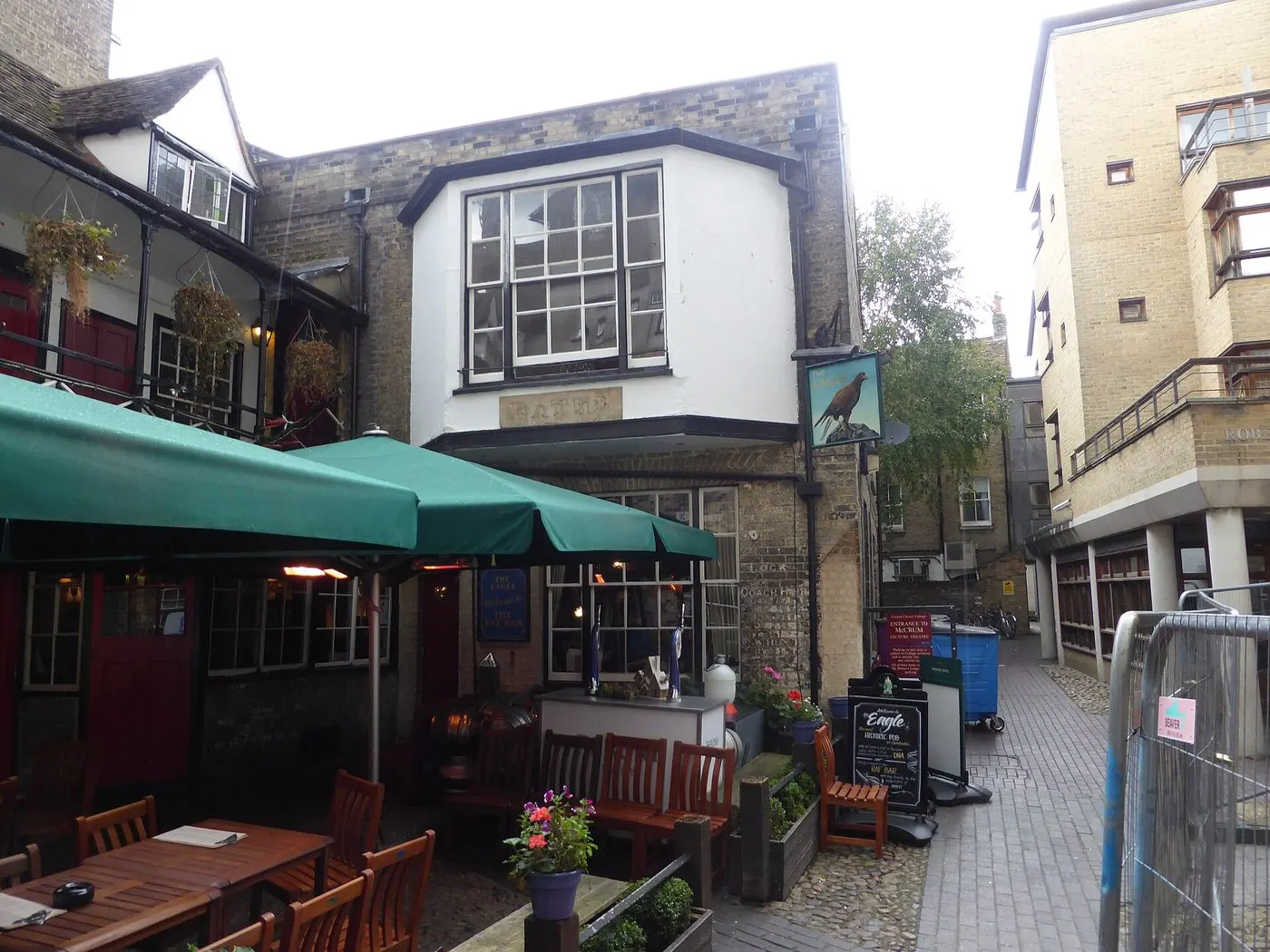
The pub is the oldest continuous food-and-drink institution in Cambridge and several of them have been trading on the same site for three or four hundred years. The city's pub map divides much the way its restaurant map does: the central pubs serve a mixture of visitors, students and office workers, and the ones ten minutes out serve the people who live there.
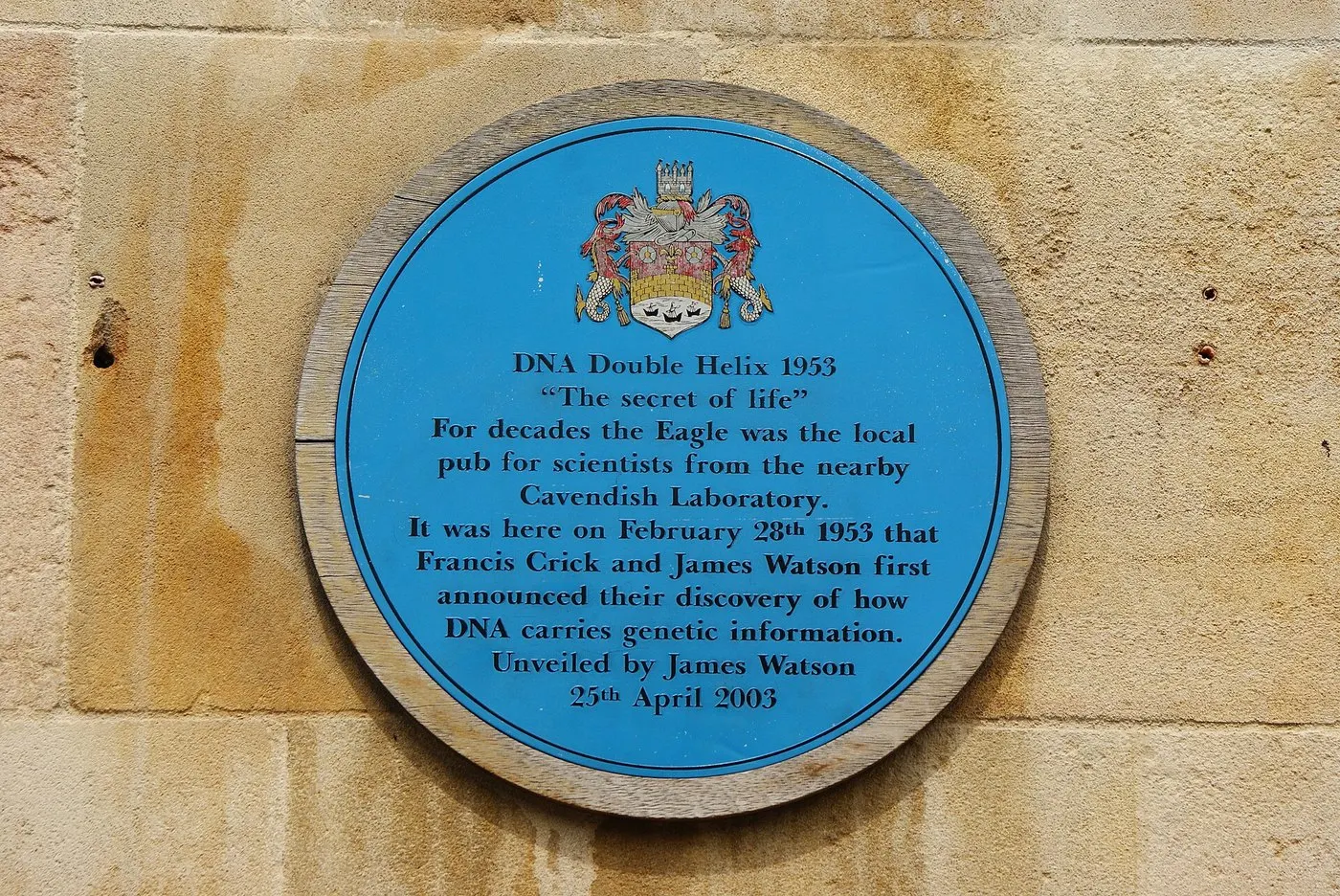
The riverside pubs and the Grantchester walk are the famous end of it. The genuinely good drinking is more often in the back-street pubs in Romsey, Newnham and around Castle Hill, which have kept their regulars and their prices.
East Anglian brewing is worth paying attention to while you are here. The region has a long cask-ale tradition and a healthy modern brewing scene, and a pub that takes its beer seriously in Cambridge will usually have something from within forty miles on.
Coffee
Cambridge drinks a great deal of coffee, for a predictable reason: a large population of people who work alone, think for a living, and do not have an office to do it in. The city supports more serious independent cafés than its size suggests, and the best of them are judged locally on whether you can sit for two hours with a laptop without being moved on.
The roasting scene is small but real, and several cafés roast or buy from within the region. As with the gin, the technical conversation here is more detailed than it would be in a comparable town.
Drinking without alcohol
Better provided for than most English cities, and again the student population explains it. Low- and no-alcohol beer is standard in pubs that care about their range, the cafés stay open in the evening in a way they do not elsewhere, and a meaningful share of the city's social life happens over coffee rather than beer because a large part of the population does not drink.
That is a commercial fact as much as a cultural one. A pub whose takings depend on a student year has to sell something in the two-thirds of the day when nobody is drinking, which is why so many of them serve coffee properly and open earlier than their equivalents in a town without a university. It also means the question is rarely whether somewhere will have a reasonable alternative to beer, but whether the place is set up for people who intend to stay three hours over one.
Practicalities
Pub kitchens in the centre generally stop serving food well before the bar closes. Last orders in the city centre are earlier than a visitor from a larger city will expect. Sunday is quiet. During May Week in June everything central is busy and much of it is taken over by private events.
Cambridge is small and flat, which means walking home is the normal arrangement and taxis are a short-distance business. The river path is unlit in long stretches and is not a sensible late-night route.
The colleges and the cellar tradition
No account of drinking here makes sense without the colleges. Thirty-odd independent institutions, several of them very old and some of them very rich, have been buying wine since long before the modern trade existed. Some hold cellars that would be notable anywhere in Europe, bought by committees that have been meeting for generations.
None of that is open to the public, and it would be misleading to suggest otherwise. Its effect on the city is indirect but real: it sustained the local trade, it trained people, and it is the reason a city of this size has the wine infrastructure it does. When Cambridge wine merchants here talk about Burgundy with a confidence you would expect in London, that is where it comes from.
Where the gin is actually made
The distilling happens on the edges and not in the centre — industrial units, village sites, converted farm buildings in the surrounding countryside — because a still needs space, extraction and a licence, and the medieval core has none of those going spare. What the city centre has is the bars and the shops that sell the result.
Cambridge gin as a category is not one product. Some of it is classic juniper-forward London dry made locally; some of it is botanical-led and deliberately seasonal, built around what grows in the region; and some of it is frankly experimental. A tasting is the only sensible way to tell which you like, which is why so many producers run them.
If someone recommends a Cambridge gin lab session, what they usually mean is a guided tasting with the technical side made explicit — the botanicals laid out, the distillation explained, the differences demonstrated rather than asserted. It is a good hour and it is wasted on anyone who already knows what they like.
The city's beer
Cambridge sits in a region with a deep cask-ale tradition and a modern brewing scene that has grown alongside it. Several breweries operate in and around the city, ranging from long-established regional names to small operations working out of units on the ring road with a taproom open at weekends.
The taprooms are worth knowing about. They are generally cheaper than the city-centre pubs, open limited hours, and tend to be where the people who care about beer actually drink. They are also, almost without exception, a bike ride rather than a walk.
In the pubs themselves, the distinction that matters is between a house that changes its guest ales and one that does not. The former will tell you what is on and where it came from without being asked.
Drinking by the river
The riverside pubs are the picture-postcard end of drinking in Cambridge and they are priced accordingly, but the walk is free and the walk is the good part. Upstream towards Grantchester the path runs through open meadow for most of an hour; downstream past the boathouses it runs through the city's working river, which is more interesting than it sounds.
Grantchester at the end of the upstream walk has pubs and a tea garden that have been serving people who made that walk for well over a century. It is the single most characteristic drink in the Cambridge area and it requires nothing but an afternoon.
What to take home
Gin Cambridge produces travels well and is the obvious souvenir, available from the distilleries, the independent shops and most of the better bars. Beyond that: beer from the regional breweries, and from the wine merchants, something from a producer you will not find in a supermarket — which is what an independent shop is for.
The market sells cordials, juices and preserves from county producers, which are the cheapest honest thing to carry away and the only ones made within a few miles of where you bought them.
Questions people ask
Is there gin distilled in Cambridge?
Yes — small-batch distilling has been established here since the 2010s, and tastings and distillery sessions are run locally.
Where do I buy good wine in Cambridge?
The city has a strong independent wine trade, a legacy of centuries of college cellars. Independent merchants here run tastings and will order in.
How late do pubs serve?
Earlier than in a bigger city. Kitchens in the centre commonly stop around nine and bars close well before the small hours.
Can you drink in a Cambridge college bar?
Not as a member of the public. College bars serve members and their guests, so getting in means being signed in by someone who belongs there. The pubs the colleges sit among are open to everyone, and several of them have served the same streets for centuries.
Where to go next
For food, see places to eat in Cambridge; for the market, the Guildhall food and drink market; and for the city's calendar, what's on in Cambridge.