Cheap Places to Eat in Cambridge: a Student's Guide to Eating Out on a Budget
Cambridge is an expensive city sitting on top of a population of people with very little money, and it has quietly organised itself around that contradiction. The cheap places to eat in Cambridge are not hidden, but they are not where a visitor would look, and almost none of them are in the streets between the colleges. The places to eat Cambridge students rely on sit a street or two further out, and they are cheaper for exactly that reason.
On this page Where students eat By the week Free and nearly free What to watch for
The structural problem, and why it has an answer
Most undergraduates here eat a meaningful share of their meals in college, which is subsidised and does not count against what follows. The question this page answers is the other one: where to eat when hall is closed, when you are out of college, or when you simply cannot face it again.
Three things make eating out Cambridge-cheap: buying from a market instead of a restaurant, eating at lunchtime and not in the evening, and walking fifteen minutes east. Each of those is worth more than any discount card.
Places to eat Cambridge students actually use
The market, seven days a week
Market Square is the cheapest hot food in the city centre, full stop. The food stalls trade in the open air, the portions are built for people who are working, and you are paying a stall's overheads, not a restaurant's. It is a four-minute walk from most of the central colleges.
The same square sells raw produce, which is the part students underuse. A bag of vegetables from a market stall at four in the afternoon, when traders are clearing, is the single biggest saving available in this city.
Mill Road
Fifteen minutes east on foot, or five on a bike, and the prices change completely. Mill Road is where Cambridge eating stops being priced for tourists: counter service, large portions, long opening hours, and a density of independent kitchens that nothing in the centre matches. Most of the city's cheap eating out happens here.
It is also where the grocers are. If you cook at all, the shops along Mill Road sell ingredients the supermarkets either do not carry or price absurdly, and they sell them in quantities that make sense for a shared kitchen.
Set lunches
A number of restaurants in the centre that are unaffordable in the evening run a fixed lunch menu at a fraction of the price, cooked in the same kitchen by the same people. This is the one way to eat at the top end of Cambridge on a student budget, and it is almost entirely used by people who work in the city, not people who study in it.
Pubs, in the afternoon
Cambridge pubs are not generally cheap in the evening, but a good many do a weekday lunchtime offer, and a pub kitchen at two o'clock on a Tuesday is one of the better value propositions in town. The pubs further from the centre — north of the river, out along the Newmarket Road, up towards Castle Hill — are consistently better value than the ones with a college view.
Cambridge eating by the week, not by the meal
The thing that actually controls a food budget here is not which restaurant you pick but how the week is shaped. Four habits do most of the work.
Buy produce once a week from the market instead of daily from a supermarket. Eat your main meal at lunchtime on the days you are out, because the same food costs less before six. Learn which two or three places near your department do a decent cheap plate, so the default decision is already made. And treat the expensive meals as occasions and not as accidents — the money goes on the unplanned ones.
Free, and nearly free
College formal halls, where you are a member, are subsidised to a degree that makes them the best value food in Cambridge by a distance; the same is true of being signed in as a guest at someone else's. Departmental and society events feed people constantly during term, and a surprising amount of a first year's eating can be done at them.
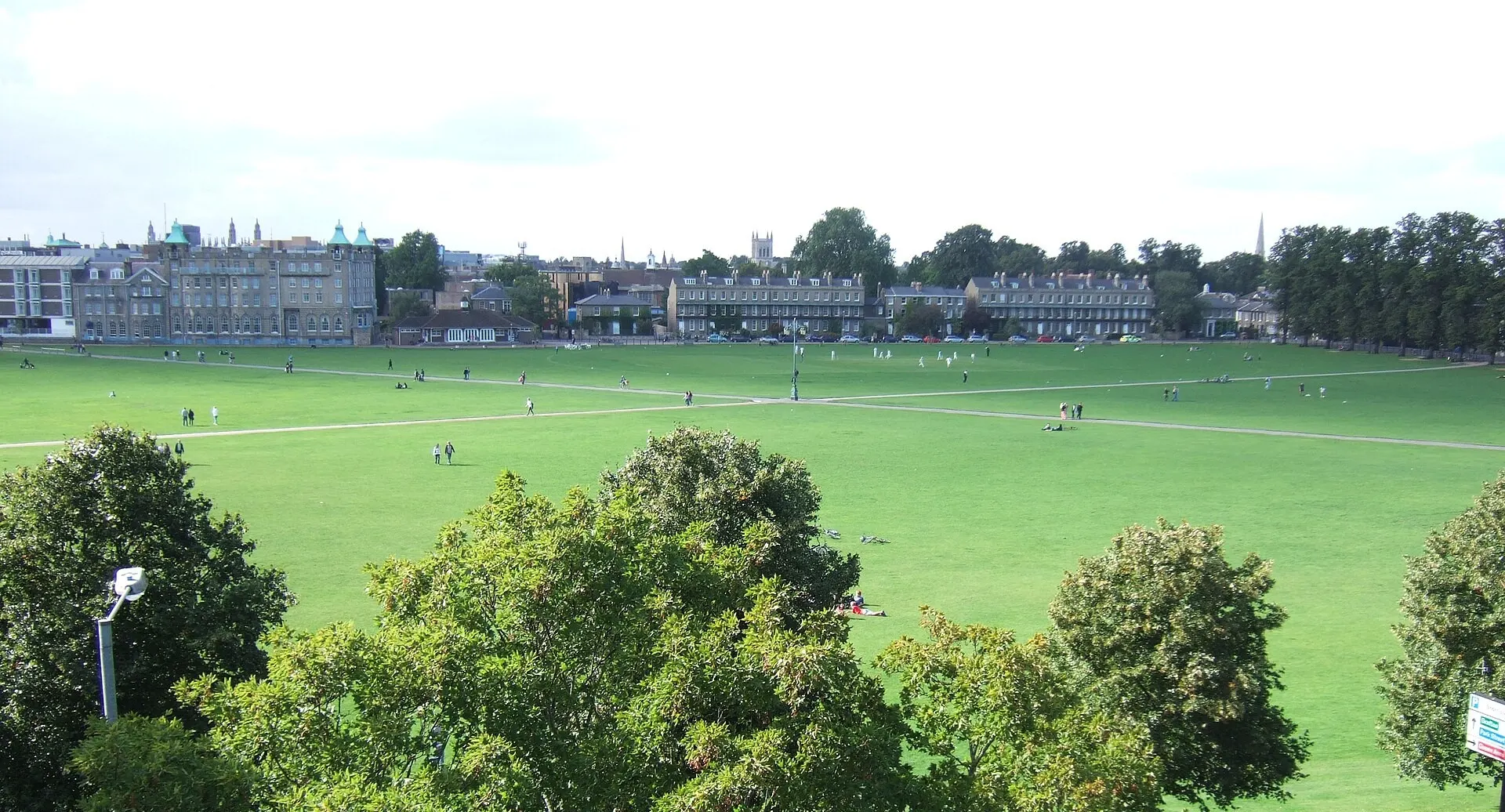
Beyond that: tap water is free everywhere that serves food, the river path and the commons are free places to eat something you carried, and Cambridge's parks are unusually good for a city this dense. Parker's Piece, Jesus Green and Midsummer Common are all within ten minutes of the centre.
What to be careful about
The restaurants with the best view of a college are, almost without exception, the worst value in the city. That is not a coincidence or a slight — they pay for that frontage and they recover it from the menu.
Delivery apps are the other quiet drain. The fees, the service charge and the inflated in-app prices routinely add half again to the cost of the same food collected in person, and in a city two miles across almost everything is walkable.
Eating out Cambridge-style through the vacations
Out of term the city changes. Some of the cheapest places quieten down or close, because their trade left; the centre is easier, emptier and no cheaper. If you are staying up over a vacation, Mill Road and the market carry on as normal — they serve residents, not students, and residents do not leave in July.
Two universities, two maps
Cambridge has two universities and they sit in different parts of the city, which means there are two different sets of places to eat Cambridge students use day to day. The collegiate university is spread through the historic centre and along the river; Anglia Ruskin is concentrated on East Road, which puts it within a few minutes of Mill Road and the Grafton area.
That geography matters more than any league table. An ARU student is already standing in the cheap part of town; a Cambridge undergraduate in a central college has to walk for fifteen minutes to reach the same prices. Anyone at one of the out-of-centre sites — the West Cambridge and Addenbrooke's campuses, or the colleges out towards Girton and Homerton — is dealing with a third problem again, which is that the nearest food is whatever the site canteen is selling.
If you are at an edge site, the useful habit is to decide where you are eating before you travel in, rather than paying whatever the campus charges because you are already there.
Breakfast, which nobody budgets for
Breakfast bought daily is the quietest money leak in a student year. A coffee and a pastry five mornings a week is a meaningful share of a term's food budget, and it is the easiest line to cut without eating worse. Cambridge has excellent bakeries and that is exactly the problem.
The compromise most people land on is buying breakfast two mornings a week instead of five, and keeping something in the room for the others. The cafés are better value later in the day anyway, when a coffee is a place to sit for two hours rather than something drunk walking to a lecture.
Late at night
There is less late-night food in Cambridge than a city with this many young people should have, and what exists clusters around the centre's pubs and the Mill Road end of town. Kitchens in the middle of the city commonly stop serving around nine, which catches people out constantly in first term.
Plan for it instead of discovering it. If an evening is going to run late, eat properly before it does; the alternative is paying the most for the worst food of the week.
Cooking in a room that was not built for it
A great many student kitchens here are shared between eight or ten people, poorly equipped, and some distance from the bedroom. That is a real constraint and it is why advice to simply cook more often misses. What works in practice is cooking in batches on the one or two evenings the kitchen is quiet, and shopping for those evenings rather than for every day.
Cooking together is the other lever, and it is underused after first year. Four people cooking one meal between them eat better for less than four people each making toast, and the market makes that arithmetic much better than a supermarket does.
The bicycle is a food budget tool
Cambridge is flat and small, and a bike collapses the distance between the colleges and the cheap places to eat in Cambridge to almost nothing. Mill Road is five minutes from the centre on two wheels. The farm shops and the big supermarkets on the edge of the city become reachable. A bike pays for itself over a year on food alone, before you count anything else.
It is also the reason delivery fees are so hard to justify here. Almost everything worth eating is within a ten-minute ride, and the fee on a single delivery is frequently more than the difference between a market lunch and a restaurant one.
What a reasonable week looks like
Not a budget — budgets are personal — but a shape that works. Hall or a cooked meal most evenings. One market shop a week for produce and one for anything you can carry. Lunch out on the days you are in town, chosen from two or three reliable cheap places near wherever you work. One proper meal out that you decided on in advance, somewhere you actually wanted to go.
Eating out Cambridge students enjoy and can afford is nearly always the planned meal. The expensive habit is the unplanned one: the sandwich bought because you are hungry and standing outside somewhere convenient. Removing those is worth more than any list of cheap restaurants, which is why this page spends as much time on the week as on the places.
How to find cheap places to eat in Cambridge yourself
Lists go out of date, and a guide that names twenty restaurants is wrong within two years. What lasts is knowing how to read a street. In a city with this many visitors, the single most reliable signal is who is sitting inside: a room full of people who are obviously local, at an ordinary hour, is telling you something no review can.
Three more that hold up. A short menu beats a long one, because a small kitchen physically cannot hold fresh ingredients for forty dishes and the long menu means a freezer. A business that has held the same site for a decade in a city with these rents is doing something right. And the further a place is from a college gate, the more of your money goes on food and not on frontage — which is most of the explanation for why the cheap places to eat in Cambridge are concentrated outside the middle.
Ask people who have been here longer than you, and ask them where they eat, not where they would recommend. Those are different questions and they get different answers. Porters, departmental staff, hospital workers and market traders all know this city's food far better than any visitor guide, and most of them are happy to say so.
Cambridge eating beyond the restaurant
Cambridge eating is not only about restaurants, and for a student budget it mostly is not. The city's food economy runs on a market, a street of grocers, a ring of farm shops and a very large number of people buying something to carry to a park. Treating those as the main event and not the fallback is the whole trick.
There is also a real seasonal rhythm worth using. Produce is cheapest at the end of a market day and at the height of a glut, and Cambridgeshire grows a great deal: soft fruit in early summer, apples and plums in autumn, brassicas and roots through the winter from the fen. Buying what is piled up instead of what you planned to buy is the oldest money advice there is, and it works here.
Put together, those habits change the question. Instead of asking which places to eat Cambridge offers within a budget, you end up with a week where most meals are good and cheap by default and the money is free for the two or three that are meant to be an occasion. That is a better outcome than finding one more cheap restaurant.
Questions people ask
Where are the cheapest places to eat in Cambridge?
The market stalls on Market Square during the day, and Mill Road for anything later. Both beat the city centre on price without being worse.
Is it cheaper to cook than to eat out here?
Considerably, if you have a usable kitchen. If you do not — and a lot of student rooms do not — then market food and lunchtime deals are the realistic equivalent.
Do restaurants in Cambridge give student discounts?
Some do, inconsistently, and usually on weekdays. It is worth asking and carrying your university card, but set lunch menus are generally a bigger saving than any discount.
How far is Mill Road from the colleges?
Fifteen to twenty minutes' walk from the central colleges, five to ten by bike. It is the single most useful walk in this guide.
Where to go next
The general guide to places to eat in Cambridge covers the city area by area. For the market itself, see the Guildhall food and drink market, and for street food there is the street food page.