Food festivals from around the world
Almost every food festival is one of two things: a harvest that got organised, or a city deciding it wants to be known for eating. They behave very differently, and knowing which one you are going to changes what you should expect from it.
The single-ingredient festival
The division is not academic. It decides what the event can promise, who turns up, how it is paid for and, most of all, what happens to it when it grows. A harvest festival that doubles in size strains a village; a city programme that doubles in size simply books more rooms. Almost every argument about a food festival going wrong is really an argument about which of the two it was built as.
The oldest pattern is a village built around one crop or catch, marking the point in the year when there is suddenly far too much of it. Asparagus, garlic, chestnut, herring, truffle, lemon: the ingredient is the programme. These are small, often free, and the cooking is done by people who are not caterers for the other fifty-one weeks.
They are also the festivals most likely to be genuinely old. A town that has been boiling the same shellfish on the same weekend since the nineteenth century is not performing tradition for visitors; the visitors arrived later.
The giveaway is the date. A single-ingredient festival sits where the ingredient sits, and it does not move for a bank holiday or a long weekend. If an event is in the second week of October every year regardless of what that does to the attendance, it is almost certainly built around something being ready. If it migrates to whichever weekend suits the calendar, it was built around the visitors.
The weakness of the form is that it depends on one thing continuing to exist. A fishery closes, a blight takes an orchard, a variety stops being grown commercially, and the festival is left celebrating something it has to buy in. That happens more often than the programmes admit, and it is worth noticing when the ingredient at the centre of an event is no longer produced within fifty miles of it.
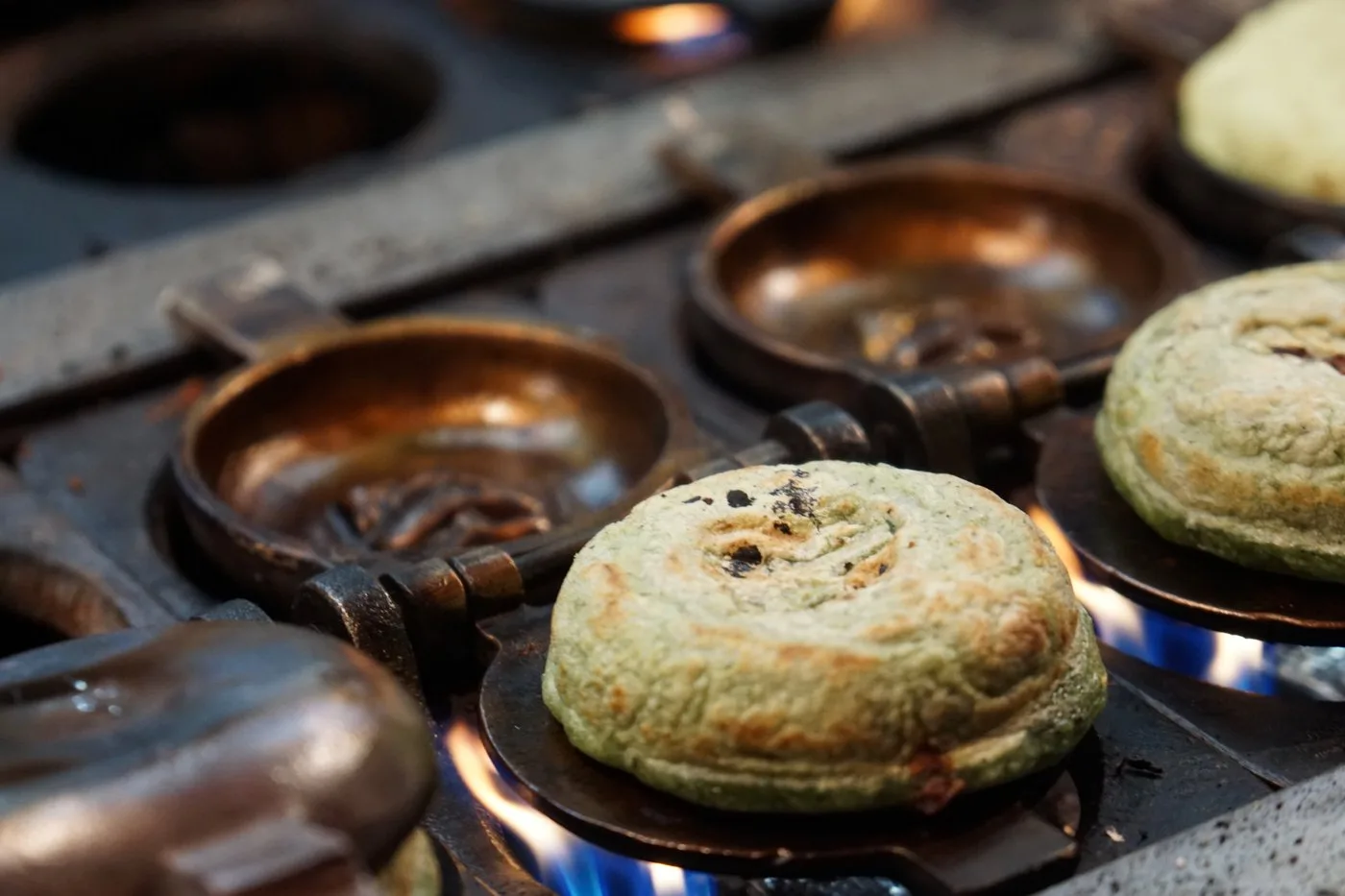
When a festival outgrows its town
The clearest case anywhere is La Tomatina, in Buñol near Valencia, a town of roughly nine thousand people that holds the world's best-known food fight on the last Wednesday of August. For most of its history it had no limit on numbers, and the crowd grew to somewhere in the region of forty to fifty thousand — five times the population of the town, in streets built for the town.
In 2013 the organisers introduced ticketing and capped attendance at about twenty thousand. It is worth being clear about what that decision was: a festival deliberately making itself smaller and charging for something that had been free, because the alternative was a safety problem and a town that could no longer live in its own centre on the day. It is one of the few examples of an event choosing a ceiling, and it is still cited as a controversial one.
The lesson travels. Growth is the default ambition of almost every festival committee, and almost none of them define the number at which they would stop. Buñol was forced into defining it. Most events discover theirs by exceeding it.
The city programme
The second kind is a city or region putting a fortnight's worth of separate events under one name: supper clubs, tastings, workshops, a central market day. Nothing is grown for it. The festival is a piece of coordination, usually run by a small organisation or by volunteers, and its value is that it makes an existing food scene legible to people who live there.
Britain has a great many of these, at every scale from a single high street to a county. Larger operations such as the Great British Food Festival run the same weekend format across several sites in a season, which is a different business from a one-city programme but reaches the same audience.
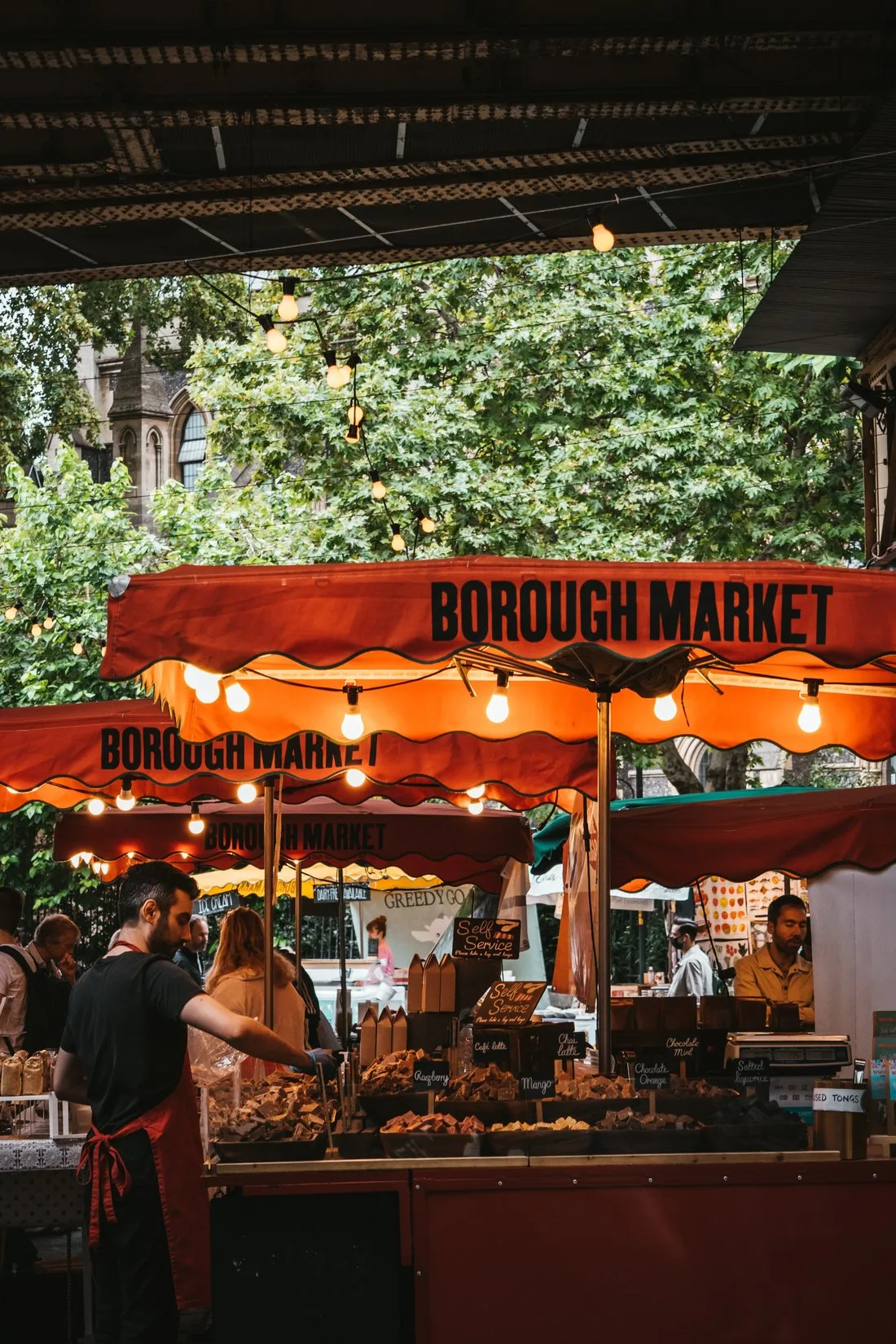
The ones that are not really about food
There is a third category, and it hides inside the other two well enough that visitors routinely misread it.
The biggest names in the world belong to it, and Oktoberfest is the obvious example. It began on 12 October 1810 as a public celebration of the marriage of Crown Prince Ludwig of Bavaria to Princess Therese of Saxe-Hildburghausen: the citizens of Munich were invited onto the fields outside the city walls, the day closed with a horse race, and the decision to do it again the following year is the entire origin of the tradition. The meadow took the bride's name, and Munich's festival ground is still called the Theresienwiese.
Nothing in that story is about food. It is a royal wedding that became a fairground that later acquired a globally recognised drinking culture. Several of the world's famous "food" festivals have a shape like that underneath — a saint's day, a fair, a market charter, a wedding — and the food is what the event picked up along the way, not the reason it exists.
This matters for anyone deciding where to go. An event with that history is a fair, and a fair is judged on atmosphere, scale and spectacle. Turning up expecting producers, provenance and conversation about ingredients is turning up to the wrong kind of thing, and the disappointment that follows is a category error rather than a bad festival.
What makes one worth travelling for
Three things, in order. Whether the people cooking are the people who produced the food — that is the difference between a festival and a food court. Whether the event has a reason to be in that place rather than any other. And whether it is sized to its town: a village of two thousand running an event for forty thousand has stopped being the thing you came to see.
The ones that fail those tests are not bad days out. They are just markets with a theme, and they can be found closer to home.
A fourth test is worth applying quietly: who is paying. A festival underwritten by a tourism body is optimising for visitor numbers, a festival run by a producers' organisation is optimising for sales, and a volunteer committee is optimising for whatever it decided it cared about in the first place. None of those is dishonest. But they produce noticeably different weekends, and the funding model is usually printed somewhere on the programme if you look.
Questions worth asking before you book
How long has it run, and has the date moved? A fixed date in an awkward month is a good sign. Who is cooking — named producers, or caterers brought in for the weekend? Is the thing being celebrated still produced nearby, or is it now bought in? What is the attendance against the town's population? And is there anything on the programme for people who live there, as opposed to people visiting?
One more, if the trip is a long one: what does the town do on the other fifty-one weekends? A place with a good market, a working fishing fleet or a street of independent kitchens will be worth the journey whatever the festival turns out to be. A place whose only food event is the festival is betting your whole trip on one weekend.
That last one separates the two kinds faster than anything else. A festival with a children's competition, a growers' class or a local judging category is embedded in its town. A festival whose entire programme would work identically in any other town is a touring product that has stopped somewhere.
Cambridge's own
Cambridge ran a programme of the second kind from 2013: a volunteer-organised fortnight across the city, with a main event at the Corn Exchange and a fringe of smaller things in independent venues. It is covered in the festival archive on this site.
It is a useful example precisely because it was ordinary. There was no single ingredient to build on — Cambridgeshire grows a great deal but has no one crop the city is known for — and no royal wedding in its history to inherit a fairground from. What it had was a dense collection of independent food businesses within walking distance of each other, and a group of people willing to spend their own time making that legible for a fortnight a year. That is the commonest starting position in Britain, and it is the one most applicable to any town reading this.
It also shows the standing weakness of the form. A city programme has almost no assets: no site, no equipment, no permanent staff. The upside is that it can start cheaply and stop without leaving debts. The downside is that the whole thing lives in the availability of its organisers, which is why the British landscape is full of programmes that ran well for several years and then simply did not come back.
Neither the harvest model nor the city model is the better one. They solve different problems for different places, and the mistake is a town adopting the model it admires instead of the one its own food can actually support.